Developer relations is a relatively new field, and many people are just starting to get involved. But when you decide to take on this job, what details haven’t you considered?
I’ve spent a long time thinking about what kind of person is best suited for developer relations work. I haven’t used terms like evangelist, advocate, or “Developer Pope” (Michael Ludden) because I believe that whatever our job titles are, we all face the same tasks, similar stakeholders, and the same developer community.
I’ve been a developer support person for IBM Watson Data Platform (formerly IBM Cloudant) for over two years. In the two years before that, I really wanted to get into developer relations work. I started asking peers who were already working in developer relations what their previous backgrounds and experiences were. Fortunately for me, I had previously organized a small event called Hackference, through which I met some people, including those just starting their careers and those with many years of work experience. Almost everyone was a developer (as a full-time job or hobby) before getting into developer relations work, then jumped on the developer relations train.
What Skills Does Developer Relations Require
Over the past four years, many things have changed, but one thing hasn’t, and this is universally regarded as a “required skill” for developer relations work. For this, there are generally the following rough requirements:
- X years in software development industry, serving as CTO or similar position
- Using programming languages XYZ
- Technical writing (O’Reilly authors get bonus points)
- Public speaking experience
These requirements are still very necessary in most cases. But this doesn’t mean everything, and many companies have noticed this when hiring. When I recently attended the [Developer Relations Summit], Michael Ludden and I presented this slide, which has a comprehensive list of tasks a person working in developer relations might need to complete.
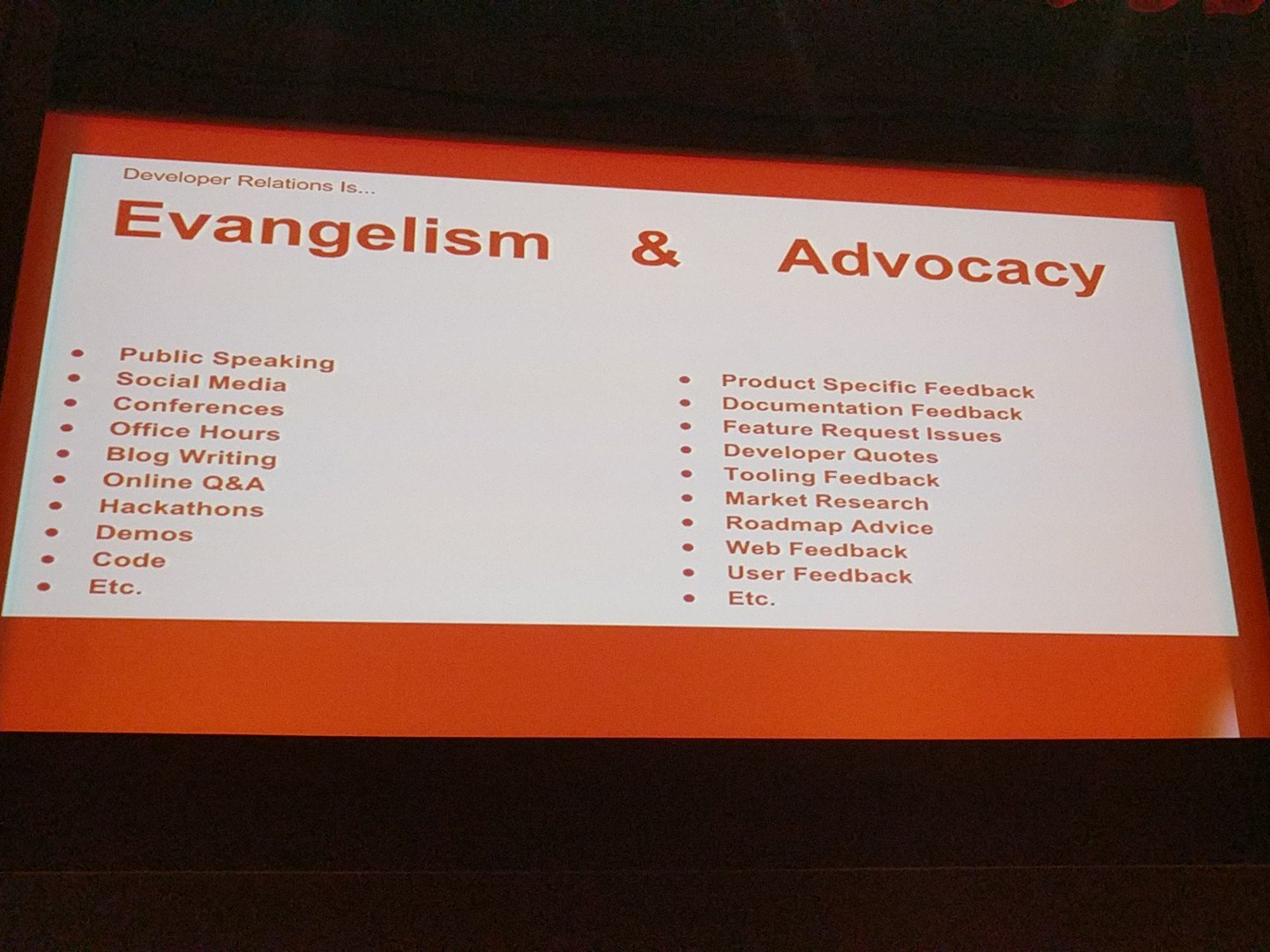
But although this list is more comprehensive than the actual content of most developer relations work, it doesn’t tell us what qualities a person needs to become an outstanding developer relations worker.
Empathy is Key
Over the past two years, I’ve also seen some excellent developer relations workers who have never released production-level code. Some of them came from technical writing backgrounds, or just graduated from college, but have already become graduates in developer relations. So, besides what I mentioned above, what are those inconspicuous additional requirements?
Whatever you specifically do in developer relations work, you must have empathy for users using your product. Whether from a technical and code perspective, or from a problem-solving perspective, if you can consider issues from the product user’s point of view, life becomes much simpler.
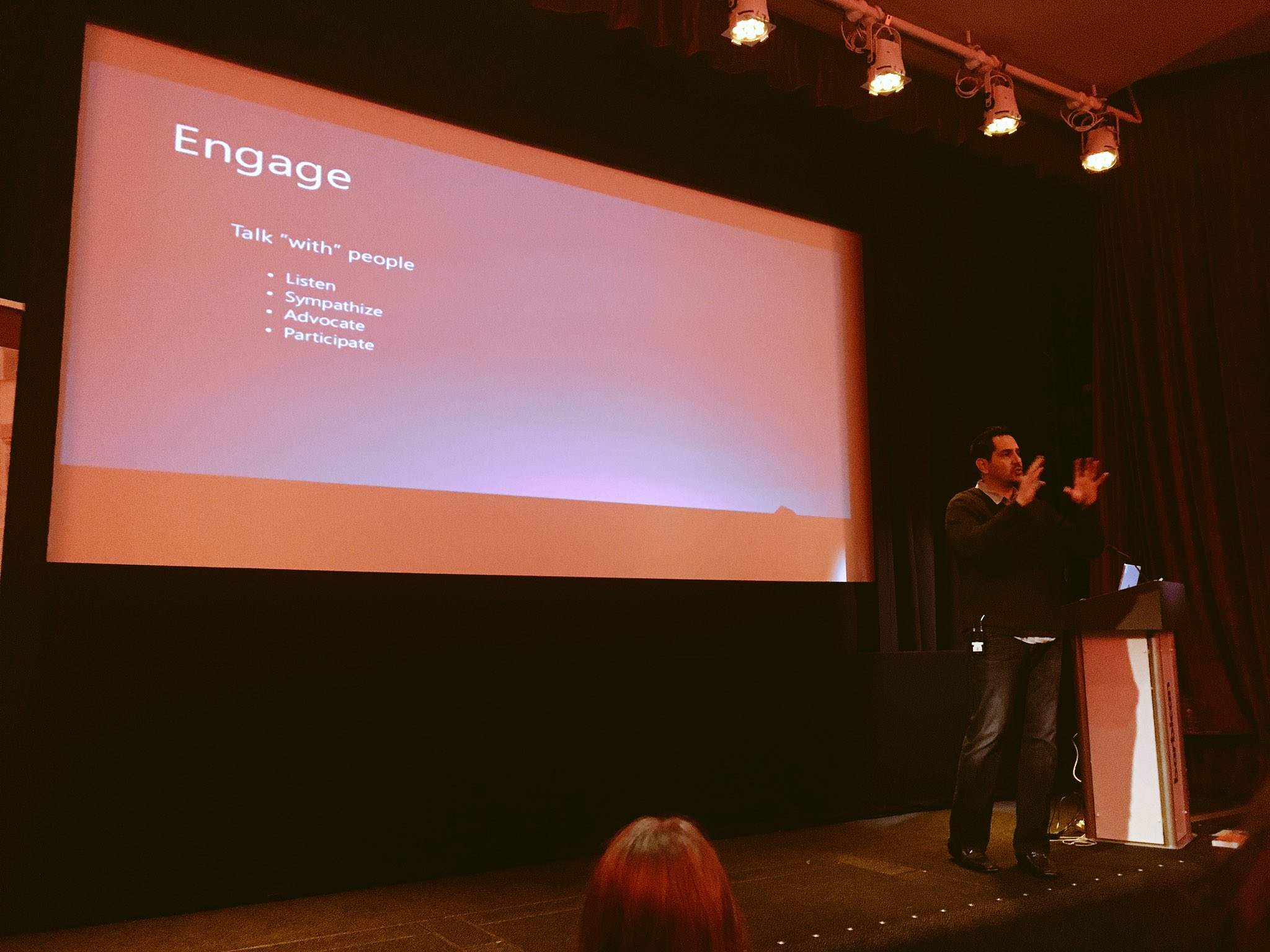
Empathy is really helpful, especially for someone building a network (to promote career development). I swear, I’ve spent quite a long time on “applying for positions.” Whether offline or online, if you can’t directly help with something, then passing the problem to someone who can help is equally satisfying. This can be done through your product, your company, a language, an API, or a developer community. Rey Bango has a great slide to demonstrate this:
Get Involved
Understand the events you organize. An important part of developer relations work is finding developer communities and developer events and participating in them. Your product might be new, or you might have just started working in developer relations. Therefore, having a general understanding of how to carry out work and building a good reputation is a great start.
Pass on Goodwill
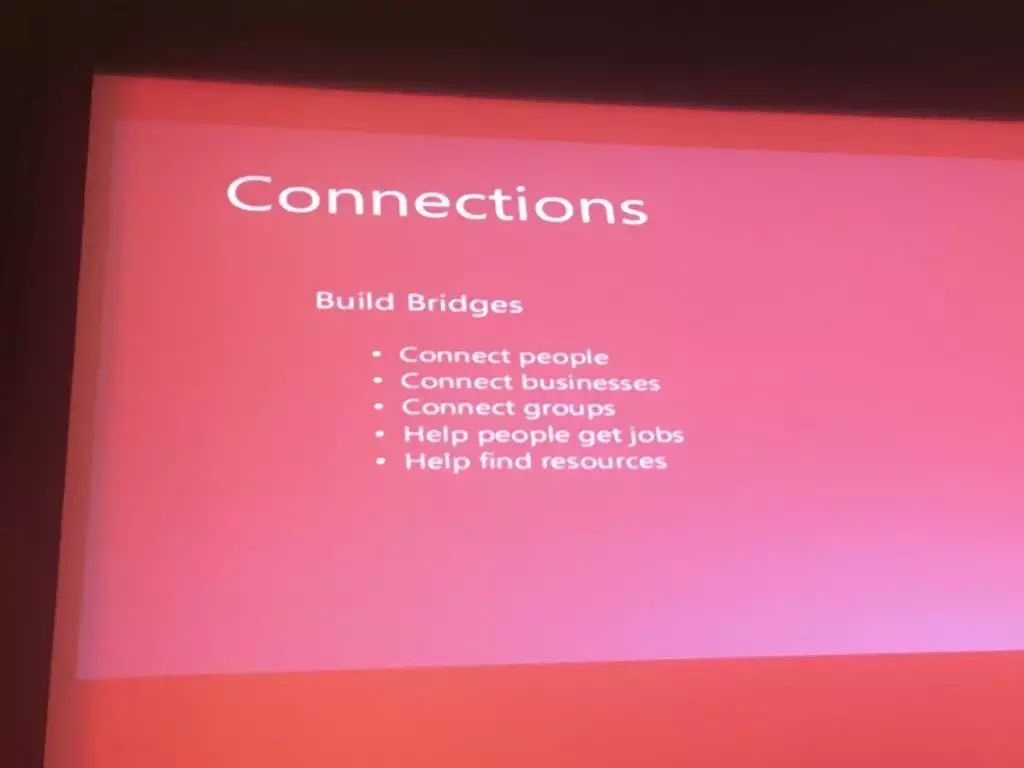
Finally, please be a good citizen. Pass on your goodwill. Remember that the field of developer relations is still new, and everyone is exploring the best way to get work done. If you need help, ask questions, and others will try their best to help answer. Rey Bango has another slide describing this:
Anyone interested in technology and willing to help others can do what’s mentioned above. Anyone can learn problem-solving logic, and as long as you know how to find solutions, you can definitely become an extremely excellent developer relations worker. Move forward, start an amazing job while helping other excellent people, and achieve some breathtaking accomplishments!
Author: Mike Elsmore (Developer Advocate for the IBM Watson Data Platform)
Original: Starting in Developer Relations: the non-obvious bits
Reposted from: Starting in Developer Relations: the non-obvious bitsDevRel Developer Relations–The Non-Obvious Details
Translator: Xu Qianqian @CMU
Reposted from: Developer Relations »