A Glimpse of Open Source Communities in Other Asian Countries
Advance declaration: The term “country” in this article includes both sovereign states and some regions and political economies.
This time I went to Singapore to participate in FOSSASIA and met many friends from Asian countries. Combined with previous experiences and observations, I decided to present some views and communication results. I hope that through these other people’s experiences, we can help the governance and operation of China’s open source community learn some lessons. Originally, I wanted to title this article “A Study of Open Source Development in Asian Countries”, but the word “study” would make people misunderstand that I really did an in-depth investigation. However, in fact, most of them just participated in local open source community activities and communicated and chatted with locals. What’s more, for some countries, I haven’t even been there in person; in addition, my own thoughts and experiences will more or less affect the evaluation of these countries, which is not objective. For example, I prefer the open source community model in Taiwan, so I later changed the article title to “A Glimpse”. This article is just to open your eyes, and it’s also good as a travel guide.
Again, this article’s evaluation is very subjective and does not represent an objective and true investigation. As we all know, I prefer the Taiwan open source community model, but I will also try to objectively evaluate its open source community and compare it with other countries.
Singapore
After all, FOSSASIA was held in Singapore this time, and I just participated in this event. While the memory is still fresh, let’s talk about Singapore first.
As a multi-cultural country, the local open source community in Singapore is like the food here, presenting a multi-ethnic, multi-cultural, and multi-religious integrated international community. Therefore, in this regard, the open source community in Singapore is more international. In fact, internationalization is not the main feature of the Singapore open source community. One of the major features of the Singapore open source community is its focus on the social role of the open source community. From various activities in Hackerspace to frequent cooperation with other communities, the entire Singapore open source community has some cutting-edge characteristics of many new technologies. The open source community here has little commercial appeal, and everything is still in a simple community state of For Fun.
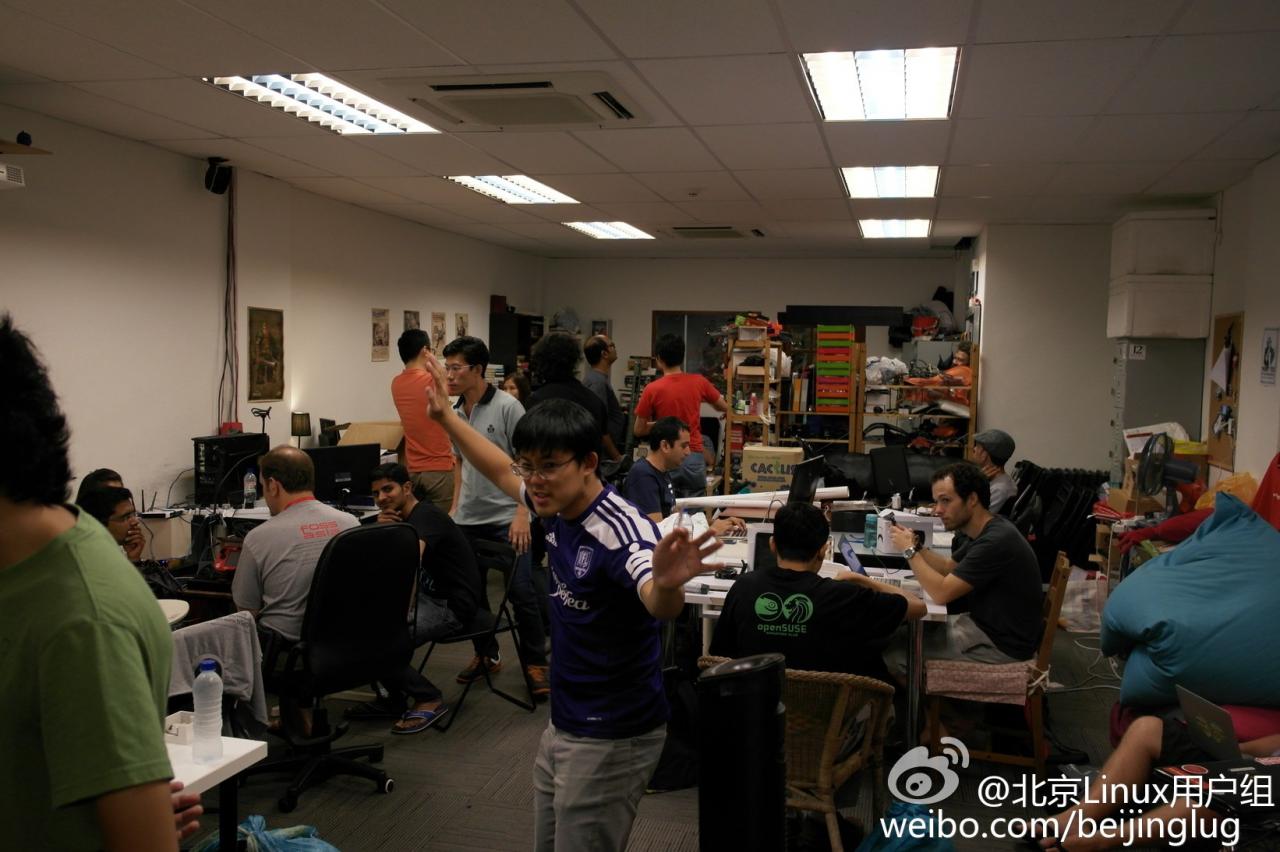
So to sum up the characteristics of the Singapore open source community in one sentence: multi-cultural integration, internationalization, and everything For Fun. This model also has a disadvantage: most of them are concentrated at the Geek level, with less implementation, and it is difficult to expand the community scale and generate greater influence.
South Korea
In 2013, I went to South Korea to participate in the 2013 GNOME.Asia conference held there. What impressed me more was that the development of the open source community here was still very primary, and there were not many formed activities. Due to the investment of large companies such as Samsung and LG, the open source development here is mostly arranged around these large companies, and the development of open source is biased towards the company’s demands for open source technology. From a certain perspective, this governance model of open source communities is what I have previously said is completely shifted by commercial interests, and the operation of open source communities is completely guided by business models.
From 2013 to the present, at various open source community conferences, although the speeches of the Korean community are very technical, their speakers are often mostly commercial company employees, who often do not have many contributions in the open source community, making it difficult for them to have a common language with everyone when participating in open source community conferences. Due to the lack of previous social interaction, it is difficult for everyone to communicate with them. Of course, there are exceptions, such as Changwoo of the Korean GNOME user group, who is very capable and has made a lot of contributions in the open source community, so when it comes to the Korean open source community, I will think of him.
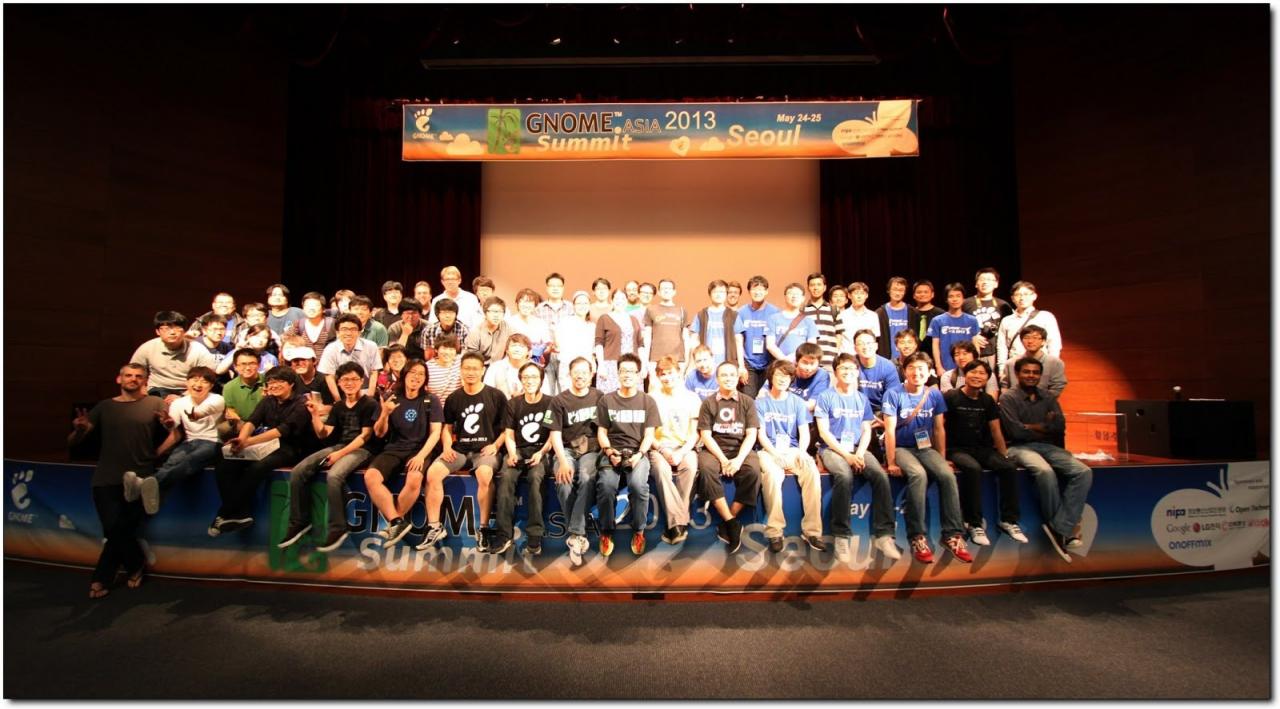
To briefly summarize the characteristics of the Korean open source community: the development direction of the Korean open source community follows commercial interests, and company development has a significant impact on community development. There are not a few contributors to open source technology, but it is difficult to integrate into community development.
Japan
First of all, I have never been to Japan, but I have contacted many Japanese open source community friends and made some deep contributors. In general, the Japanese open source community is more international. This internationalization is different from the internationalization of Singapore mentioned above. Japanese internationalization is a kind of internationalization that is almost divorced from Asia. They often don’t care about open source conferences held in Asian countries, and they don’t participate in the Asian open source community. However, Japan will spare no effort to host LinuxCon Japan and various internationally famous open source conferences. In general, Japan’s open source development is just like the national line proposed by the Meiji Emperor era, somewhat “leaving Asia and joining Europe” or “leaving Asia and joining America”. However, because Japan has many contributors in the open source community and the open source community is relatively powerful, I have more contact with their local LibreOffice community and openSUSE community, and have in-depth exchanges with many friends.
Although Japan has little contact with the Asian open source community, because there are many code (including documentation, translation, etc.) contributors, their status in the Asian community is still relatively high. After all, I haven’t been to Japan. If I have the opportunity, I still want to go to Japan, participate in activities there, participate in local open source community activities, and communicate more with local friends.
Taiwan
As mentioned in previous articles, I personally like the Taiwan open source community model very much. For related discussions, you can also refer to my previous related articles. Why do I love the Taiwan open source community model among Asian countries? There are three reasons: First, they have a common culture, face the same problems, and have the same issues to consider. Only the political system and the development in recent decades are different from mainland China; second, the Taiwan open source community guides community members to be responsible for their own communities through a free community culture, and at the same time introduces social and more open culture, making the open source community more vital; finally, the development of the Taiwan open source community has been bottom-up from the beginning, eventually centered on the open source community, with everything shifted to community interests, not obeying any company or even government agencies.
In addition, the reason why I personally like the Taiwan open source community is that they have successfully solved the dilemma between open source and commercial development, and can limitedly accept commercial companies into community development, allowing commercial companies to serve the open source community, while in this service, commercial companies can also find their own value.
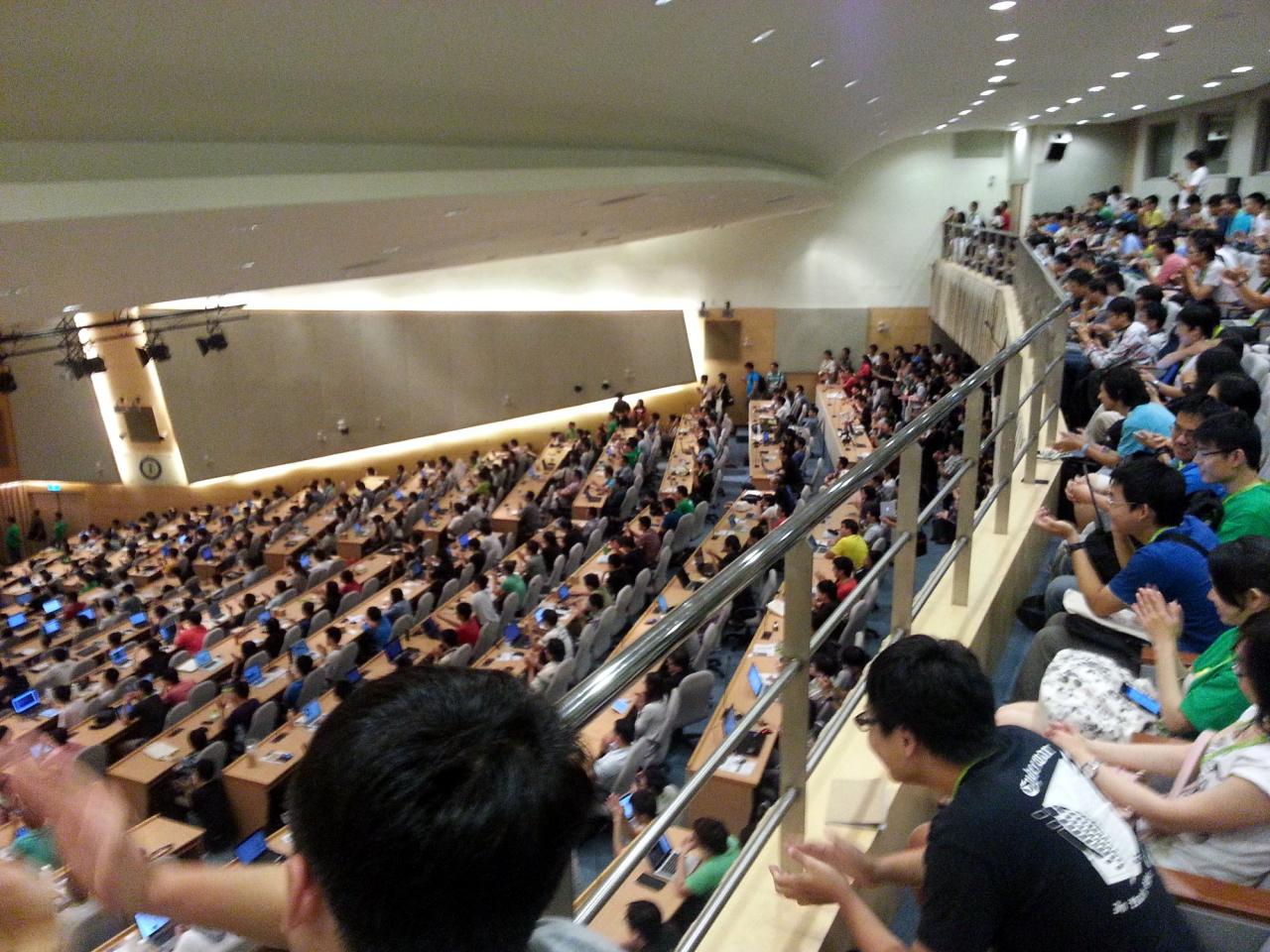
However, this model in Taiwan also has its background reasons. Taiwan has a deep foundation of student movements (from student movements during the Japanese rule period to the “Wild Lily Student Movement” and then to the “Sunflower Student Movement”), and society can easily trigger a self-organization form. This is beneficial to the grassroots development of open source, but it restricts the further development of open source, because grassroots often have populist characteristics (Taiwanese call it “villagers”). When open source development enters an elite stage, this populism will form a constraining force. In fact, some friends in Taiwan have also seen this phenomenon, and even community division has occurred. In fact, this problem has also occurred in China. People who really contribute to open source are misunderstood by a bunch of “trolls”, or some open source contributors enter the camp of populism and nationalism, and are enthusiastic about various “domestic products”, which is the wrong direction.
Hong Kong
If I were to evaluate the development of open source in Hong Kong, it could be described as a great change! In 2012, I participated in GNOME.Asia held there. The conference was not successful, with only about 100 people attending, and the minimum number was only about 20 people. The Hong Kong Linux Users Association (that is, the Linux user group, LUG) does not have many activities, which is not worth mentioning compared with the many open source community activities in mainland China.
But in the past two years, the development of the open source community in Hong Kong has gradually entered the fast lane. In just two years, HKCOTA (Hong Kong Creative Open Technology Association) was established, and two HKOSCon (Hong Kong Open Source Annual Conference) were successfully held. If you look deeper, you can find that the reason why the open source community in Hong Kong has developed so rapidly has several reasons: First, it is close to Shenzhen, mainland China, and can directly connect with the rich resources of the mainland through hardware entrepreneurship and various opportunities in Shenzhen, Hong Kong and Macau. For example, Tiny3D developed by Hong Kong Wen uses the capabilities of Shenzhen factories to achieve large-scale production. Second, the Hong Kong government supports technology and culture and vigorously promotes local IT technology entrepreneurship. Third, Hong Kong universities have open minds, free communication, and more ideological collisions, making it easy to organize and launch self-organized associations, which in turn have the ability to develop into open source communities.
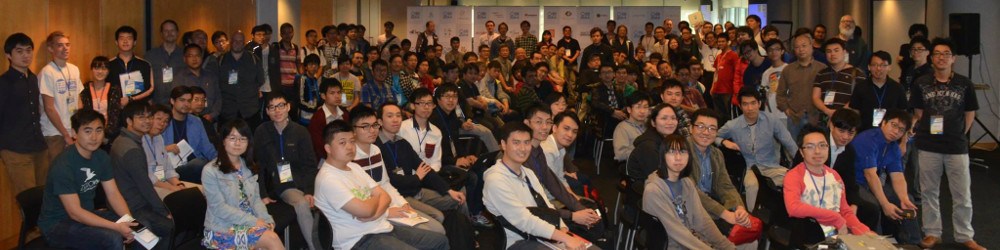
This development in Hong Kong also contains hidden worries. The main problem at present is that those familiar faces in the open source community are still the same people after so many years. It is difficult for us to see new faces, which means that the open source community in Hong Kong has not yet realized the metabolism of personnel, and the development of personnel cannot adapt to the progress of the community. It still needs to vigorously develop new members to realize the truly orderly and sustainable development of the community. At the same time, daily community activities and community activity have not improved much. Although there are some changes, the overall level is still relatively primary, and it is difficult to form a large-scale community cooperation model. The connection between the open source community and the international open source community also has room for exploration.
India
I haven’t been to India, but I have met many Indian open source community friends, many of whom are from the Fedora community. In a sense, India is the most developed traditional computer technology in Asia, even Japan and South Korea are difficult to match, but its community is not as developed as expected. This is related to its overall social development being relatively primary. The open source community is relatively basic, and community members are more localized, lacking more international connections. That’s why most of the people I know are Red Hat employees and other company members. There are relatively few people engaged in other industries or other jobs who participate in the open source community. In a sense, the open source community in India is a combination of the models of Japan and South Korea, not as purely international as Japan, which is divorced from Asia, and not as completely serving commercial interests as South Korea.
Usually, we can see many Indian open source contributors. They are either active in internationally renowned open source projects, such as I met many Indians in the GNOME project; or active in international activities like Google Summer of Code or Google Code-in. However, it is difficult for us to see Indian community organizations, only independent individuals, not the local community in India. This is also an interesting point in India.
After all, I haven’t been to India. According to friends who have participated in the Indian open source community, it is more difficult to organize a good open source community activity in India. The society is relatively scattered, and there is less stickiness between people. But some friends also say that the open source community in India is very active, not only with many contributors, but also with lively activities. However, it is said that the differences between cities in India are also relatively large. Some communities in Mumbai or Bangalore are better, while those in other cities are difficult to sustain.
I hope the open source-themed “travel guide” I provided can help you. As I said before, this article has a strong subjective feeling, not so objective, and cannot be used as a judgment of the true face of open source development in a country (region). It can only be regarded as some information collection and organization of mine. This article does not cover many countries, such as Indonesia, which hosted this year’s GNOME.Asia and vigorously uses open source software in government agencies, and Malaysia and Thailand, where open source communities have developed rapidly in recent years. The reason why they are not included in this article is mainly because there are too few friends contacted and too little understanding to write anything.
Most Asian countries are late-modern countries, and almost all have a history of being colonized by Western powers. How these countries accept the new thing of open source, how to combine open source with local culture, and develop local communities, as well as their experiences and lessons in community operation and governance, are still very worthy of learning and reference.
Reprinted with permission: Developer Relations »