Audrey Tang: The Way of Open Source 2015
This presentation is a derivative of Allison Randal’s OSDC.tw 2012 speech. The white background is the Chinese translation of Allison’s original content, and the brown background images are newly added.
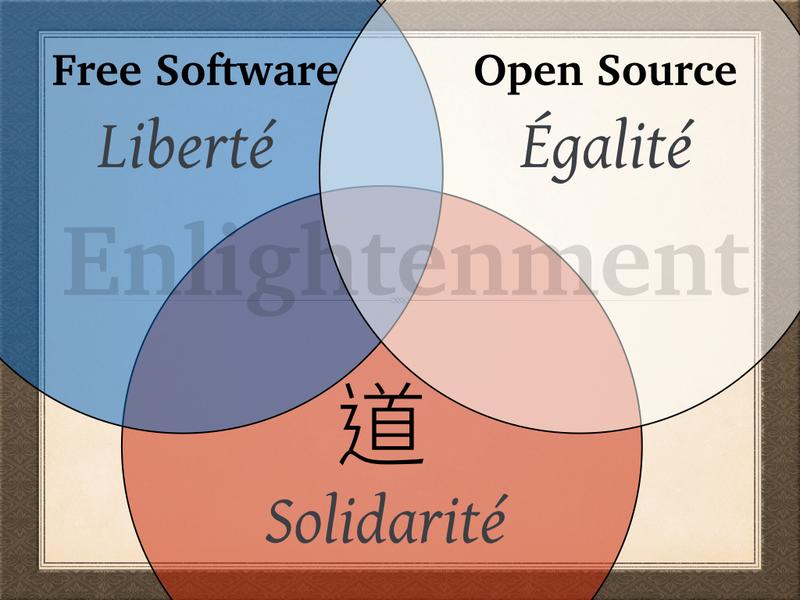
The word “Enlightenment” in the 18th century, when Voltaire, Kant, and Newton spoke of Lumières and Aufklärung, refers to letting the light of reason illuminate human life. These ideas eventually led to the French Revolution at the end of the century, putting forward the ideals of liberty, equality, and fraternity.
The free software movement over the past 30 years has been fighting for unrestricted network speech, creation, and access rights, which is a political concept.
The subsequent open source movement hopes that enterprises will lower their status, treat contributors equally, and obtain efficient and high-quality creation through open collaboration, which is a concept of the sharing economy.
These two concepts do the same thing in practice; free software and open source software are basically no different.
But what I want to share today is the cultural concept of “Solidarity”. This word was originally “Fraternity”, but now it generally means “social solidarity”, which is mutual help between people.
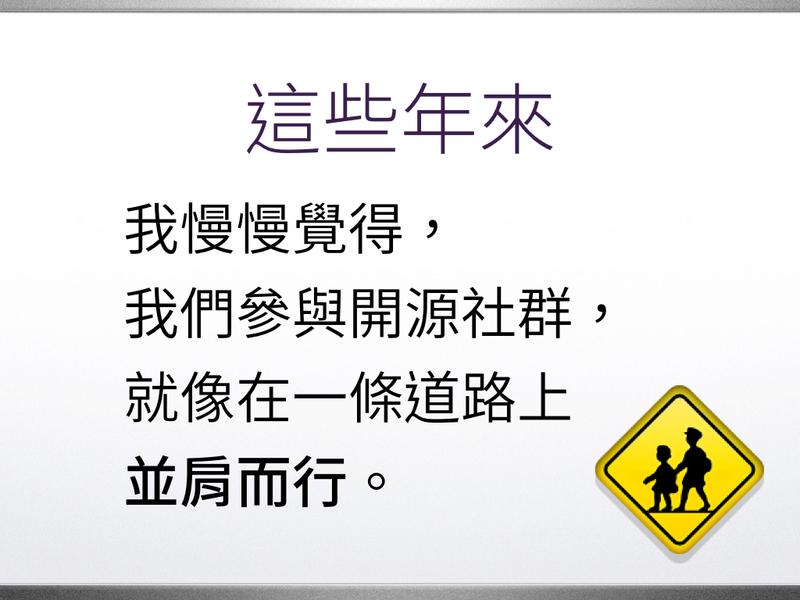
The characteristic of the science and technology community is that it can have solidarity with any community in society. The open source community explicitly says “no restrictions on use”, which means solidarity with the entire society.
The Web is a world built on connections. We dialogue with society through the Web, and also create new forms and spaces for social dialogue.
This not only makes us better creators, but also makes us better people through cooperation with others.
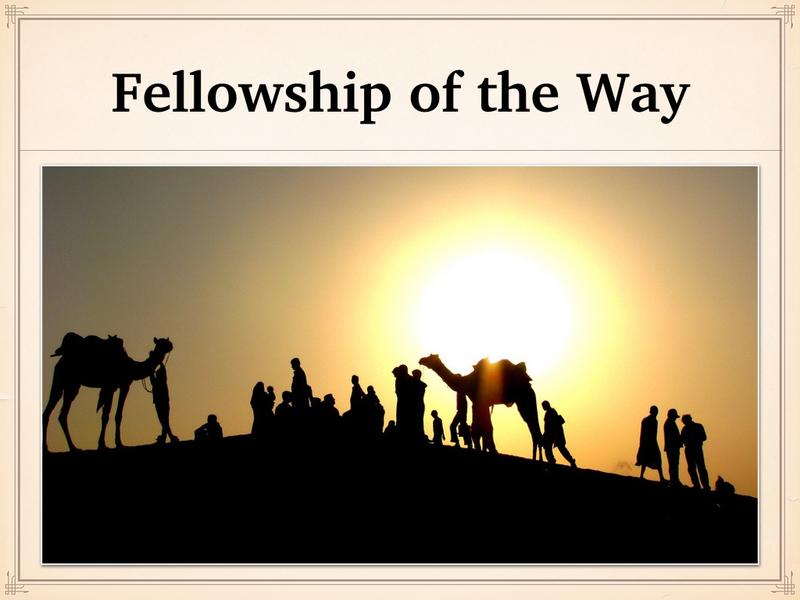
Where does this road lead? Lu Xun said: Hope is neither something that exists nor something that doesn’t. It’s just like the road on the ground; in fact, there was no road on the ground at first, but when many people walk on it, it becomes a road.
Open source is especially a road of creation. What already exists is just used, so it’s all following the footprints of predecessors, moving towards uncharted territory.
You can think of it as a path of cultivation, allowing us as human beings to continue to grow.
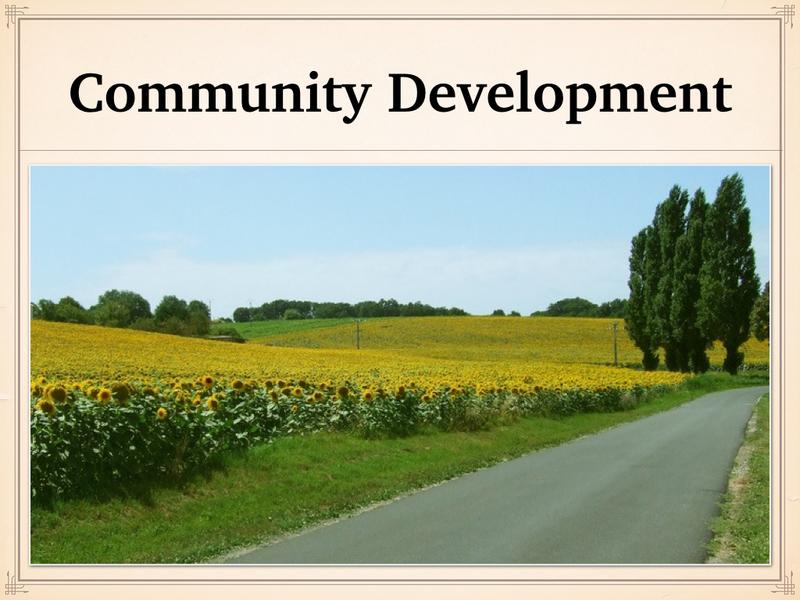
What makes people continue to grow is the community. Each community has its own online and offline spaces, like a garden, and its content is organic.
The road of open source can lead us into community spaces all over the world.
First, people are the core of all open source projects. Code is very important, but the core is always people. People participate in projects in various different ways.
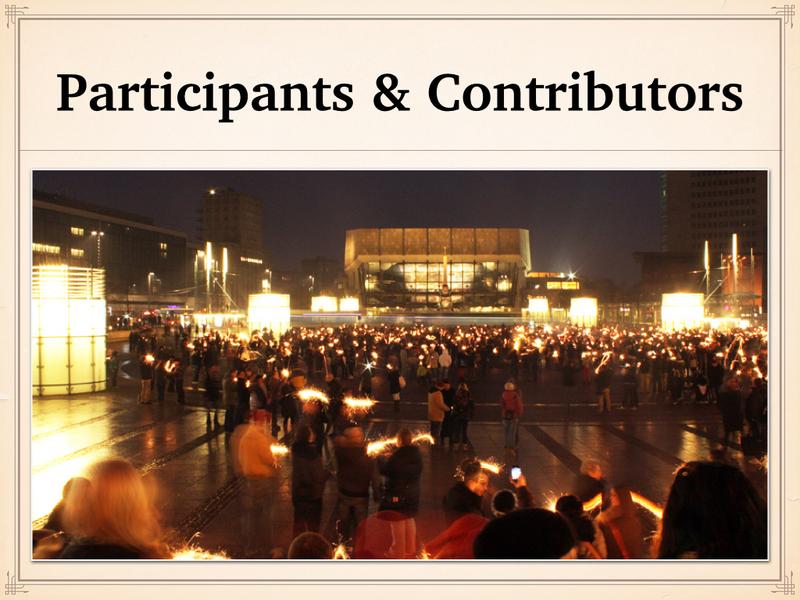
Among every 100 users, maybe 10 people will participate in corrections, and one person will make new contributions.
But as the time needed decreases, the boundary between participation and contribution also becomes more blurred.
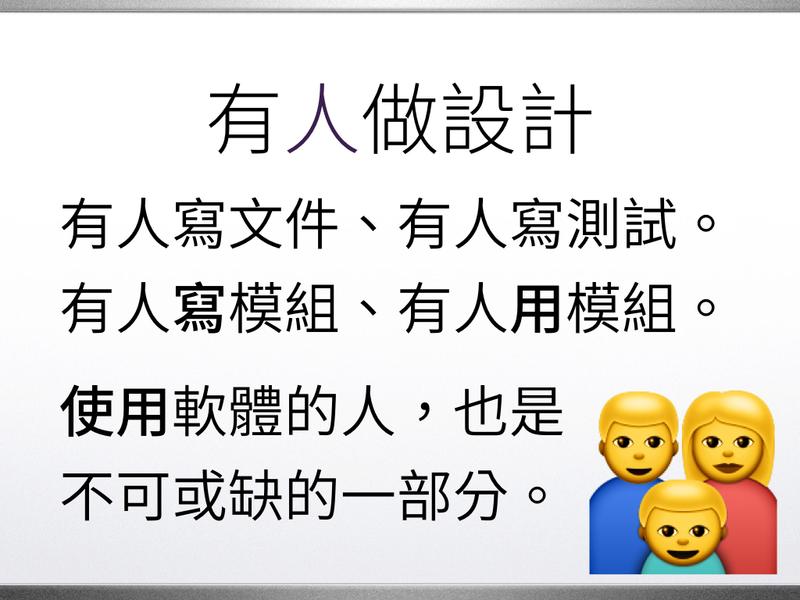
In addition to the common classifications of project development, the most important thing is to solve users’ needs and mutual support between users.
Of course, many project developers are the first users.
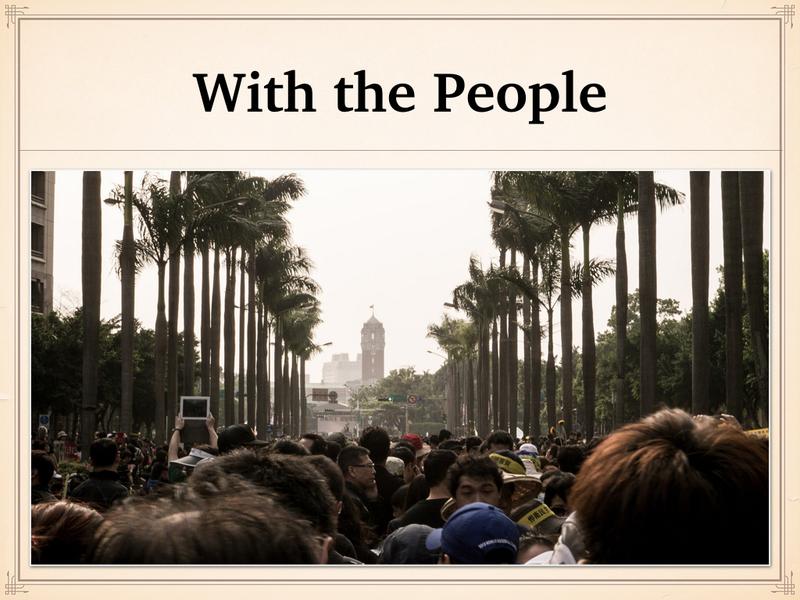
In the early days of open source development, what was to be replaced was the past concept of “for the People”, where a small group of experts launched new products for the public to use.
The open source concept is “with the People”, where the direction of the project is formed together by users, participants, and contributors.
Reprinted with permission: Developer Relations »